Embarking on a tent camping adventure is incredibly exciting! However, keep in mind, shops might not always be close to your campsite. The proper preparation is key for camping in the vast wilderness. If you’re a first-time tent camper, figuring out what to bring can feel overwhelming.
Don’t worry! In this post, I’ve put together a comprehensive packing list to make your tent camping experience both comfortable and enjoyable. Read through this guide to avoid forgetting anything and to make the most of your time in nature.
Each list starts with the essentials. The nice to have extras are tucked into a tap to open box, so you can skip them on your first trip and come back later.
Quick Summary: What to Bring for Tent Camping
For tent camping, you need four groups of gear: your tent and sleeping setup, a camp stove and basic kitchen kit, campfire supplies, and personal items like layers, toiletries, and a first aid kit. You don’t have to buy it all at once. Start with what you already have at home.
- 💧 Water: Campground water isn’t always safe to drink.
- 🔥 Firewood: Buy it locally, not from home.
- 🧻 Restrooms: Pack your own toilet paper and hand soap.
- 🌙 Nights: Campsites get very dark, so bring a headlamp.
Read on for the storage bin system that keeps us from forgetting gear, the kitchen items you can skip on a first trip, and the tent gadget that saves your lungs at high altitude.
Expert take by Tomo: Based on our family’s tent camping trips in Colorado and across the American West, with gear we’ve collected and replaced over the years.
*Disclaimer: This post may contain affiliate links. I only recommend products and services I genuinely use and love. For more, see my Disclaimer Policy.
📋 Table of Contents (tap to open)
Tent and Sleeping Gear
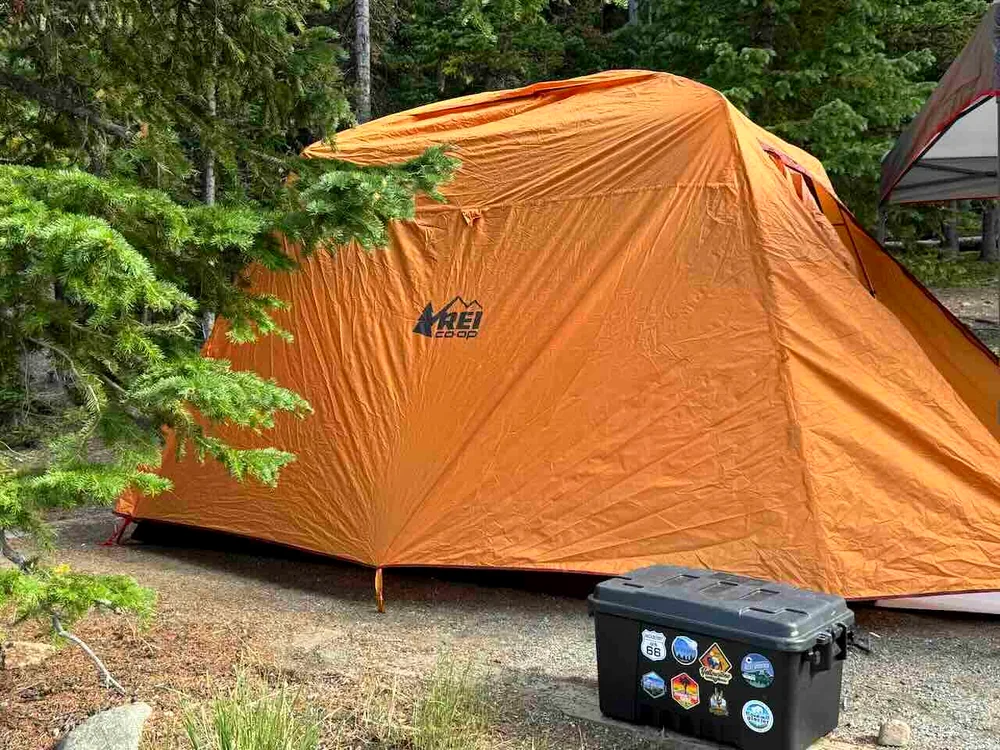
Your tent setup is the one thing you can’t forget. This list includes not only the tent itself but also the items needed for setting it up, as well as the essentials for use around and inside the tent.
✅ The Essentials
- Tent: Don’t forget your tent; without it, you’ll be sleeping outside or in your car.
- Footprint: Put this under your tent to keep out ground moisture and cold.
- Stakes: These are essential for keeping your tent secure against rain and wind.
- Mallet: Use this to firmly drive the stakes into the ground.
- Sleeping Bag: Sleeping bags offer superior insulation, especially during chilly nights.
- Sleeping Pad, Air Mattress, or Cots: Place one under your sleeping bag to minimize moisture, cold, and the discomfort of bumps in the ground beneath the tent.
- Camping Pillow: If you’re used to sleeping with a pillow, bring one to sleep more comfortably while camping.
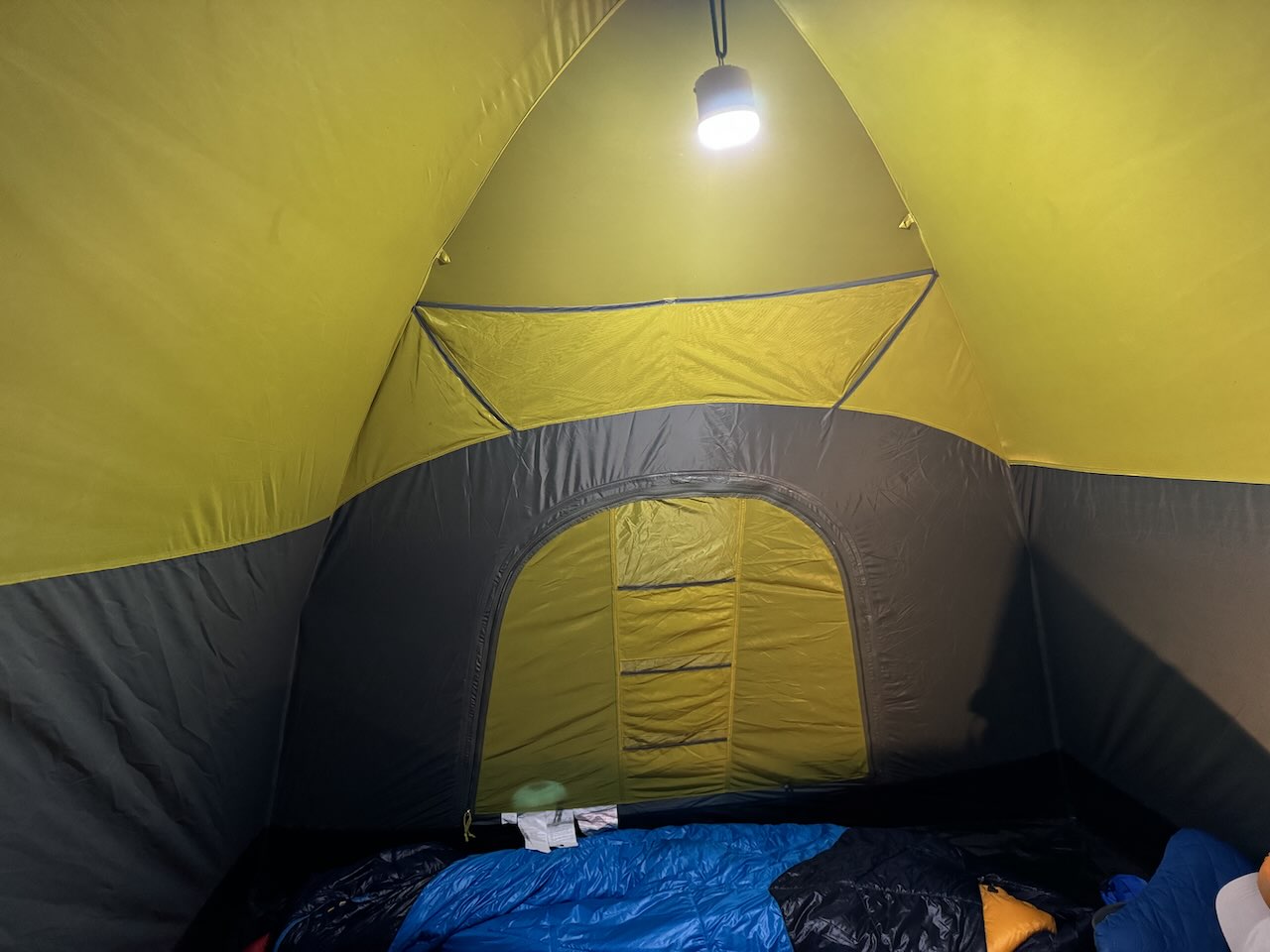
- Tent Lantern: Essential for lighting up your tent after sunset, as it gets very dark at the campsite.
- Scissors or Pocket Knife: Items needed for opening packages, cutting ropes, etc.
⭐ Nice to Have (tap to open)
- Tent Rug: A mat or blanket to place inside your tent. While not essential, it can add warmth and comfort, making your sleeping experience more pleasant.
- Sleeping Bag Liner: A thin liner used inside your sleeping bag. It adds extra warmth and is easy to wash, helping to keep your sleeping bag clean.
- Blankets: Extra blankets can give you some added warmth and comfort when it gets chilly at night.
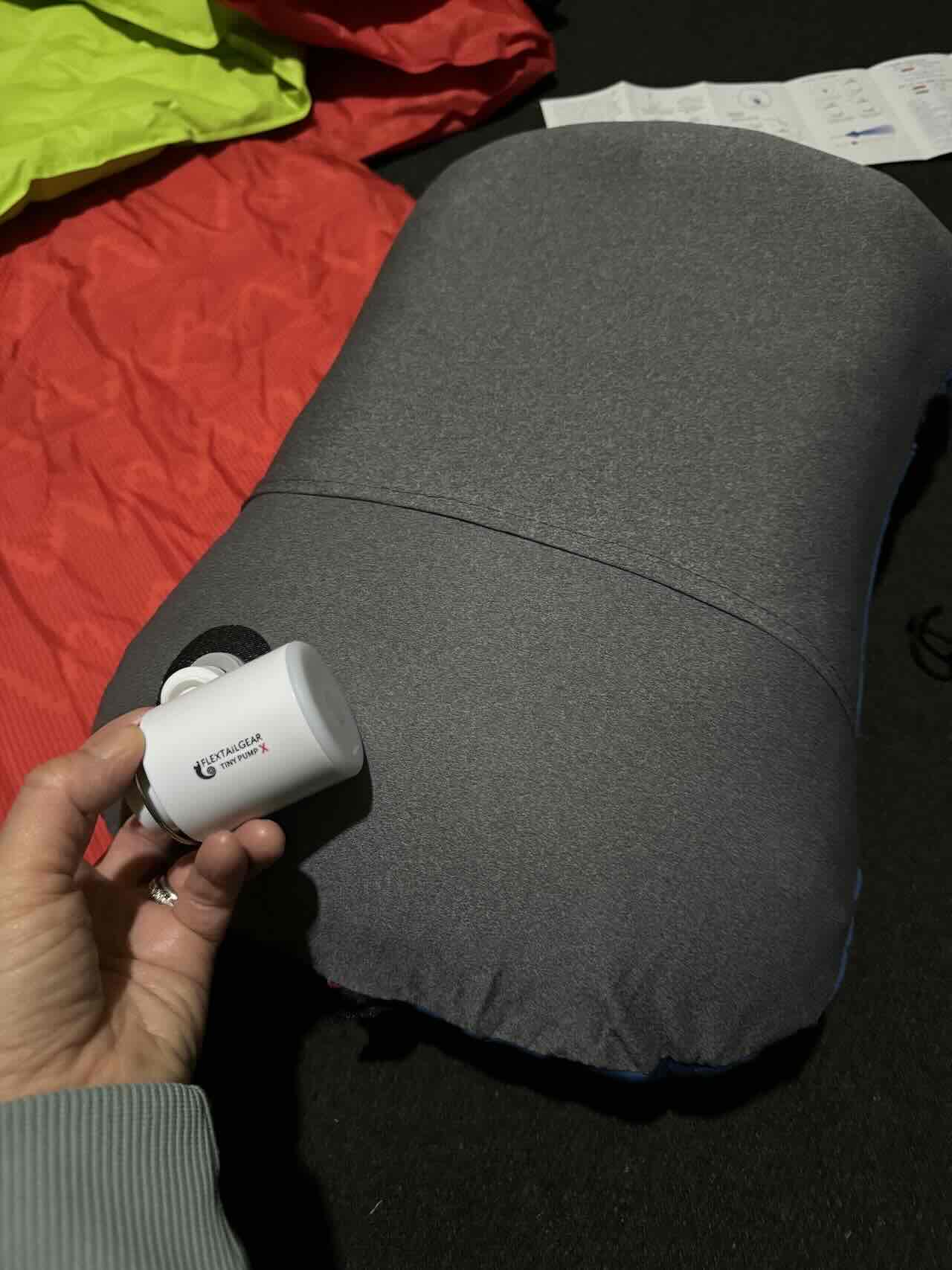
- Electric pump: This makes inflating your sleeping pad or air mattress much easier. While manual inflation is possible, it requires significant lung capacity (especially challenging at high altitudes!), so an electric pump saves time and effort.
- Outside Camping Mat: Placing a mat at the entrance of your tent helps keep dirt and dust out.
- String Lights: These can light up your tent and make it easier to find in the dark.
- Rope: It’s handy for emergencies, like when the ropes of your tent or canopy break. You can also use it to hang laundry.
- Batteries: While rechargeable headlamps are becoming more common, having extra batteries is always handy.
- Mini Dust Pan: Useful for cleaning the inside of your tent.
The nice to have items are what our family has gradually collected with each camping trip. Of course, you can still enjoy camping without all of them.
Camp Kitchen and Cooking Supplies
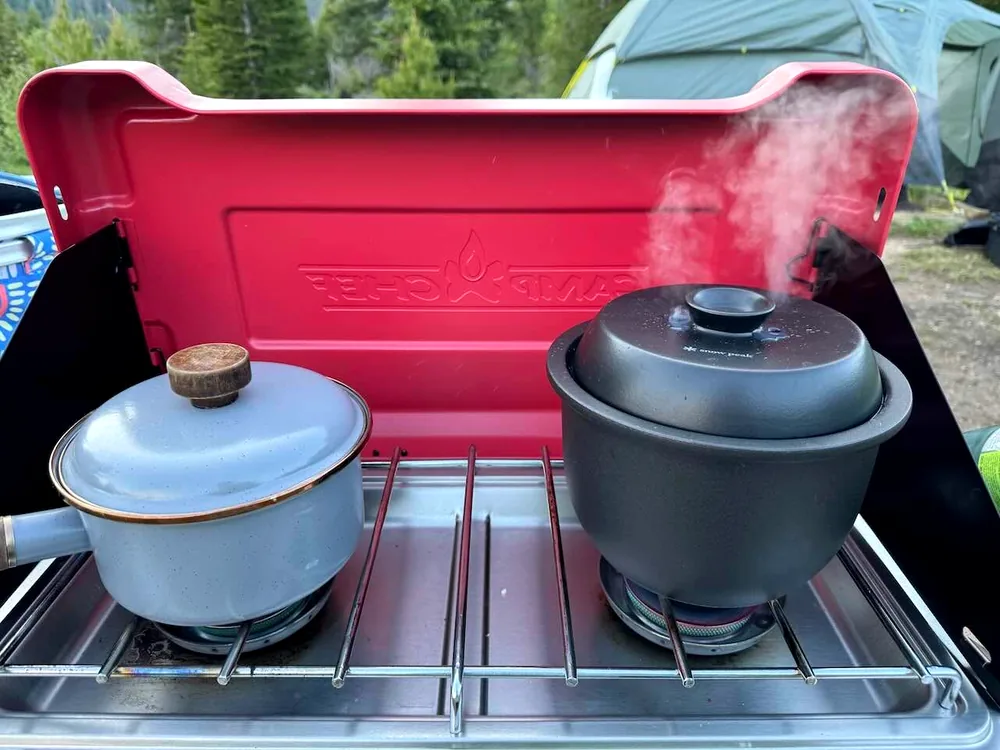
A camping stove is the heart of the camp kitchen. These are the kitchen items you’ll need when cooking from scratch while camping. If you prepare and cut the ingredients at home, you won’t need a knife and a cutting board. Additionally, you can start with paper plates instead of actual plates and bowls.
✅ The Essentials
- Camping Stove: A must-have for cooking at the campsite. While you can cook over a campfire, it often takes longer, so a camping stove is recommended.
- Propane: Necessary for the camping stove. Make sure not to forget it, or you’ll be stuck without a way to cook! *Shop at local grocery stores, Walmart, or Target for cheaper prices!
- Pots & Frying Pans: Essential for camping cooking. If you have either one, you’ll be fine.
- Kettle: Handy for making coffee, tea, or instant noodles.
- Spatula and Tongs: Useful for flipping and handling food.
- Trivet: Protects the picnic table or your camping table from hot pots and pans.
- Kitchen Knife: For cutting and preparing food.
- Cutting Board: Essential for food prep.
- Dish Soap & Sponge: For cleaning your dishes. We try to choose eco-friendly ones.
- Towels: Handy for drying hands and dishes.
- Paper Towels: Handy for cleaning up spills and can double as napkins.
- Trash Bag: A kitchen-sized trash bag is recommended for managing waste.
- Yeti Cooler: Essential for keeping food fresh.
- Dishes: Plates, bowls, utensils, chopsticks, and mugs for serving and eating your meals.
- Food: Bring your own food to cook, or check out local shops around the campsite for supplies.
- Favorite Condiments: Bring along any other condiments you like.
- Water: Even though many campsites have water, the water is not always safe for drinking. Make sure to bring your own drinking water.
- Coffee & Tea: Perfect for starting your morning or relaxing in the evening.


⭐ Nice to Have (tap to open)
- Plastic Wrap: Useful for wrapping sandwiches for your excursions or storing leftover food.
- Tin Foil: Great for grilling items like potatoes on the BBQ.
- Heat-Resistant Gloves: Essential for preventing burns while cooking.
- Ziploc Bags: Handy for storing leftovers, snacks, or even little treasures found by kids.
- Kitchen Bowl & Strainer: Useful for washing fruits and vegetables, draining water, or even as an extra dish. We use collapsible bowls and strainers.
- Splatter Screen: Prevents burns from oil splatters and keeps bugs out of your food while cooking.
- Kitchen Scissors: Convenient for cutting food without needing a knife.
- Can Opener/Bottle Opener: Essential for opening cans and bottles, especially since many American cans require a can opener.
- Dish Dring Rack: Helps dishes dry faster, even while camping.
- Trash Can: A collapsible trash bin can be very handy at the campsite.
- Water Jug: Necessary for washing hands and dishes at your campsite.
- Paper Plates: Useful in case you forget your regular plates or for various other uses.
- S’more Sticks: Essential for making s’mores over the campfire.
- French Press: A must-have for coffee lovers. This compact and easy-to-use French press is our favorite.
- Tablecloth: Since campsite tables aren’t always clean, a tablecloth is a good idea.
- Camp Kitchen: While a camp kitchen keeps things organized and easy to use, it can take up a lot of space, so it’s not necessary for short trips.
- Mesh Food Cover: Great for covering your food on the picnic table to keep all the bugs out of your food.
- Lantern: At night, having a lantern on the table makes it brighter and adds to the ambiance.
These kitchen items listed above are also great to have! They’re not essential, but they do make camping more fun. Just like our tent gear, we’ve gradually bought and replaced them over time.
Wondering what to cook with all this? Here are our easy camping meals for families.
Campfire Gear
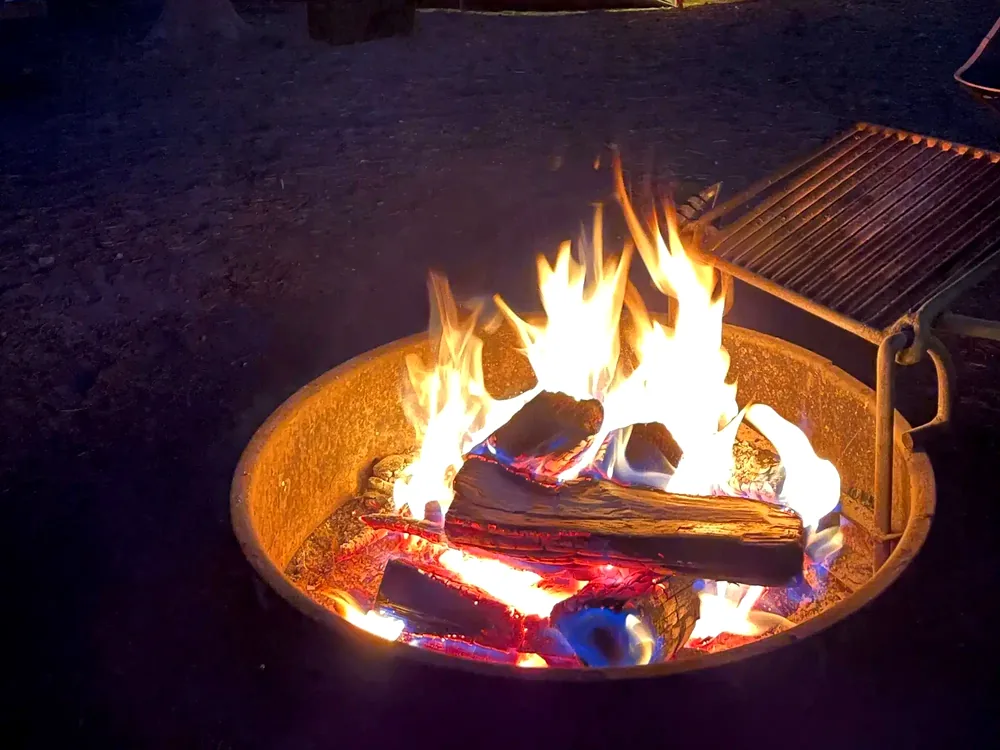
Most campgrounds in the U.S. have fire rings, so you usually don’t need to bring a fire pit. However, some places might not have them, please check each campground’s official website.
✅ The Essentials
- Firewood: Firewood can carry pests and insect eggs, so to protect local ecosystems, it’s best to buy firewood locally.
- Saw: Useful for cutting firewood if it’s too large.
- Lighters: Essential for starting your campfire.
- Fire Starters: Since firewood can be difficult to ignite on its own, fire starters help get your campfire going.
- Campfire Tongs: These tongs are longer and useful for handling firewood safely.
- Heat-Resistant Gloves: Wear these to protect your hands from burns while handling hot items.
To protect the natural environment of the campground, it’s best to buy firewood locally.
Other Campsite Essentials
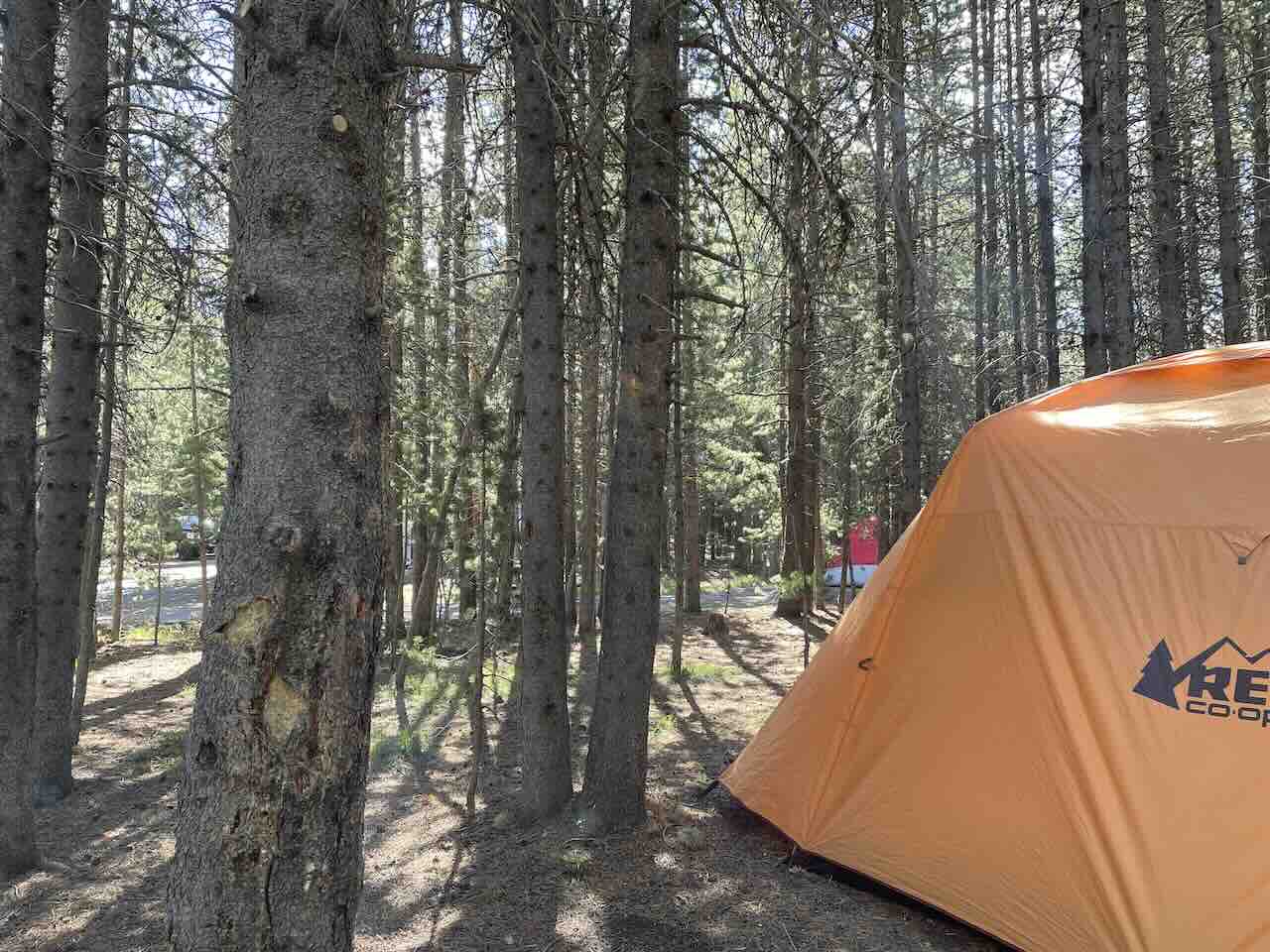
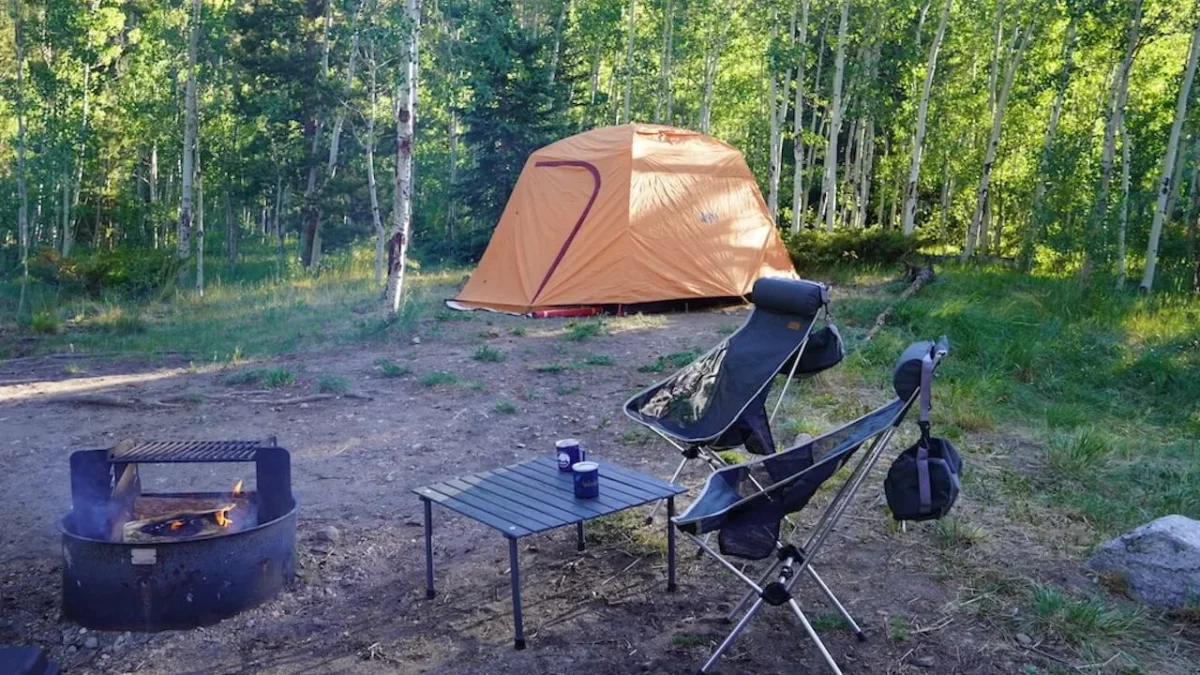
Our campsite at Grant Village Campground in Yellowstone. We also love Collegiate Peaks Campground in Colorado.
These are the items that make your campsite comfortable. Here are some additional items that can be handy to bring on your camping trips. The need for these items may vary based on the campground location and the amenities available.
✅ Campsite Comfort
- Canopy or Tarp: Useful for campsites without shade or on rainy days. For beginners, canopies are easier to set up than tarps and recommended. You can also use the canopy poles as a makeshift clothesline.
- Camping Chair: While many campsites have picnic tables, a camping chair allows you to sit anywhere comfortably.
- Headlamp: Campsites get very dark at night. A headlamp or flashlight is essential for finding your way, especially to the bathroom.
- Portable Battery: For charging electronic devices.
- Kleenex/ Facial Tissues: Always handy to have.
- Hand Soap: For washing hands conveniently at your campsite or when using the restroom, campsites don’t always have soap in the restrooms.
- Toilet Paper: Sometimes the campsite’s supply runs out, so it’s good to have your own.
- Camping Table: Useful if there’s no picnic table or for setting up near the campfire.
- Bucket: Useful for washing or carrying items.
- Wagon: Convenient for transporting gear from the car to the campsite or for carrying small children.
Not sure where to camp yet? Our Timber Creek Campground review is a great place to start if you’re heading to Rocky Mountain National Park.
Personal Items and Toiletries
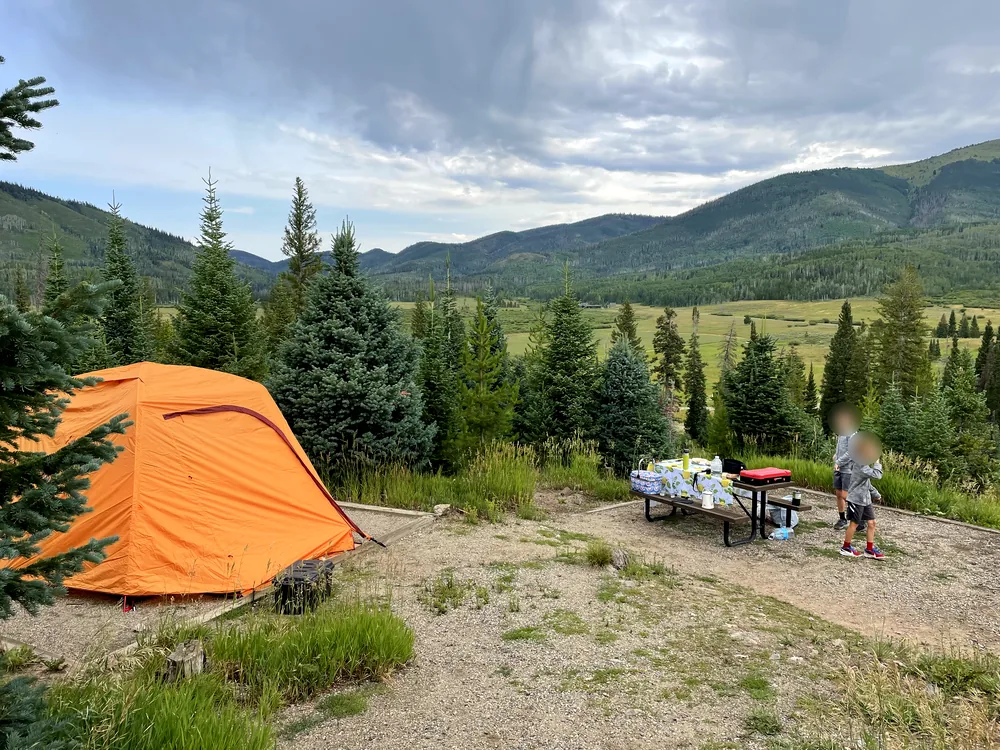
When you’re focused on packing all your camping gear, it’s easy to forget personal items. Hope this list helps you remember everything you need.
✅ Don’t Forget
- Clothing: Dress according to the weather. Temperatures can drop significantly in the morning and evening, so wearing layers is best.
- Medicine: Don’t forget your regular medications and supplements.
- Toiletries: Skincare products, cosmetics, glasses, contact lenses, hair brush, toothbrush, toothpaste, deodorant etc
- Shower Items: Shampoo, conditioner, body wash, facial cleanser, etc., if you plan to use shower facilities.
- Shower Caddy: A bag that dries quickly and can handle getting wet is recommended.
- Towels: Quick-drying towels are best.
- Sandals: Essential for showering. It’s common to wear sandals in public showers to avoid direct contact with the floor.
- Hand Wipes: Useful for sanitizing your hands when soap isn’t available.
- Body Wipes: Handy for freshening up at campsites without shower facilities.
- Dry Shampoo: Dry shampoo is great for freshening up your scalp when you can’t take a shower.
- Compact Mirror: Not all campsite restrooms have mirrors. A compact mirror is useful for putting in contact lenses or applying makeup.
- Sunscreen/ Sunblock: Essential for protecting your skin from sunburn.
- Bug Spray: To keep insects away.
- First Aid Kit: Includes band-aids, antiseptic spray, etc. This is crucial, especially for families with children, as minor cuts and scrapes are common at campsites.
- Cash: While most places now accept credit cards and electronic payments, there are still some places where cash is needed. So, be sure to bring some cash with you.
- Cell Phone & Charger: Taking photos and videos while camping can quickly drain your battery.
Fun and Games for the Campsite
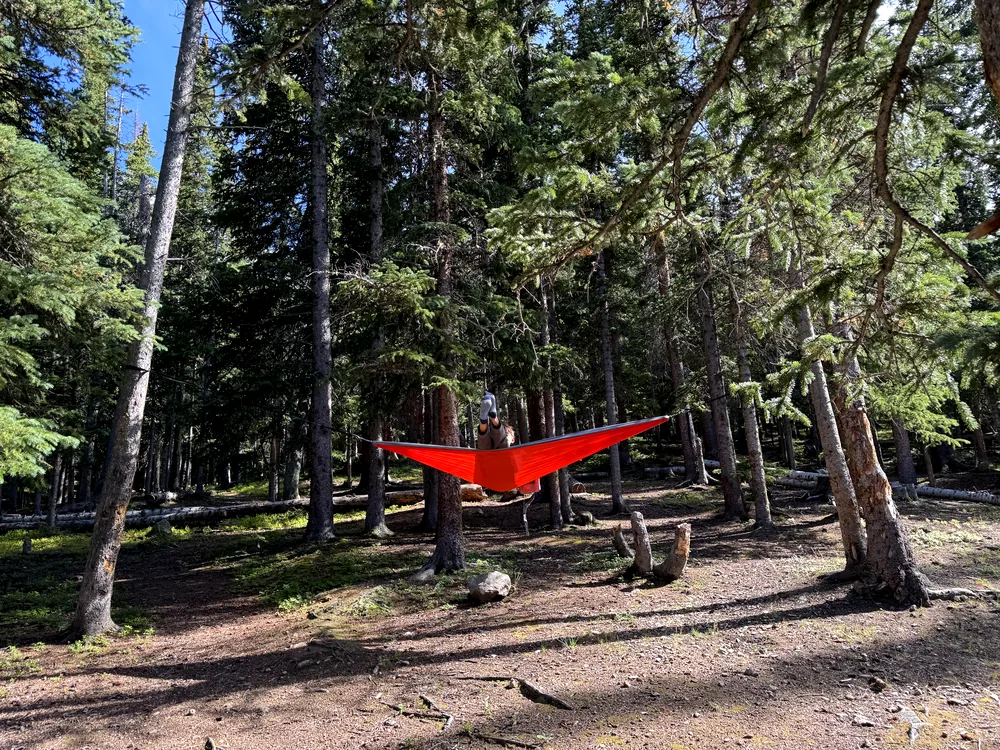
Camping isn’t just about cooking and making s’mores; it’s also about enjoying nature, playing, and relaxing! Bringing along some entertainment items can make your camping experience even more fun.
⭐ Our Favorite Campsite Fun (tap to open)
- Hammock: Perfect for campsites with trees, providing a relaxing place to lounge.
- Frisbee: Glow-in-the-dark options are fun even after dusk. Just be mindful of your surroundings while playing.
- Balls: Great for various games and activities.
- Scooters: Fun for exploring the campsite.
- Bicycles: Ideal for riding around the campsite or nearby trails.
- Playing Cards: A classic and versatile entertainment option.
- Portable Speaker: A speaker is a great item to bring to a campsite, whether you want to liven things up with some music or relax during your downtime.
- Binoculars: You may encounter animals and birds at your campsite. Binoculars are an essential item for enhancing your wildlife observation experience.
- Books or Kindles: Perfect for relaxing and unwinding during downtime.
Want to see more of the gear we use? Here it is all in one place:
How We Store Our Camping Gear
Packing is so much faster when your gear already lives in bins.
🗃️ Our Storage Tips
- For storage tips, we keep our tent gear in storage bins from Home Depot. This way, we don’t have to repack everything for each trip, and it helps to minimize the chance of forgotten items.
- Storage Tips: We keep our cooking items in a separate box from our tent gear except food and spices. We swap out smaller items like dishes depending on what meals we plan for each camping trip.
- We store our campfire gear, except for firewood, in the tent gear box.
Tent Camping Checklist FAQ
Do I need to bring my own drinking water?
Yes. Even though many campsites have water, the water is not always safe for drinking, so we always bring our own.
Should I bring firewood from home?
No. Firewood can carry pests and insect eggs, so to protect local ecosystems, it’s best to buy firewood locally.
Do I need to bring a fire pit?
Usually not. Most campgrounds in the U.S. have fire rings, but some places might not, so check the campground’s official website before you go.
Can I just cook over the campfire?
You can, but it often takes longer, so I recommend a camping stove. Don’t forget the propane!
Do I need to buy everything on this list before my first trip?
Not at all. For items like kitchen supplies, you can simply bring what you use at home. Trying to get everything all at once can cost more and be exhausting.
Final Thoughts
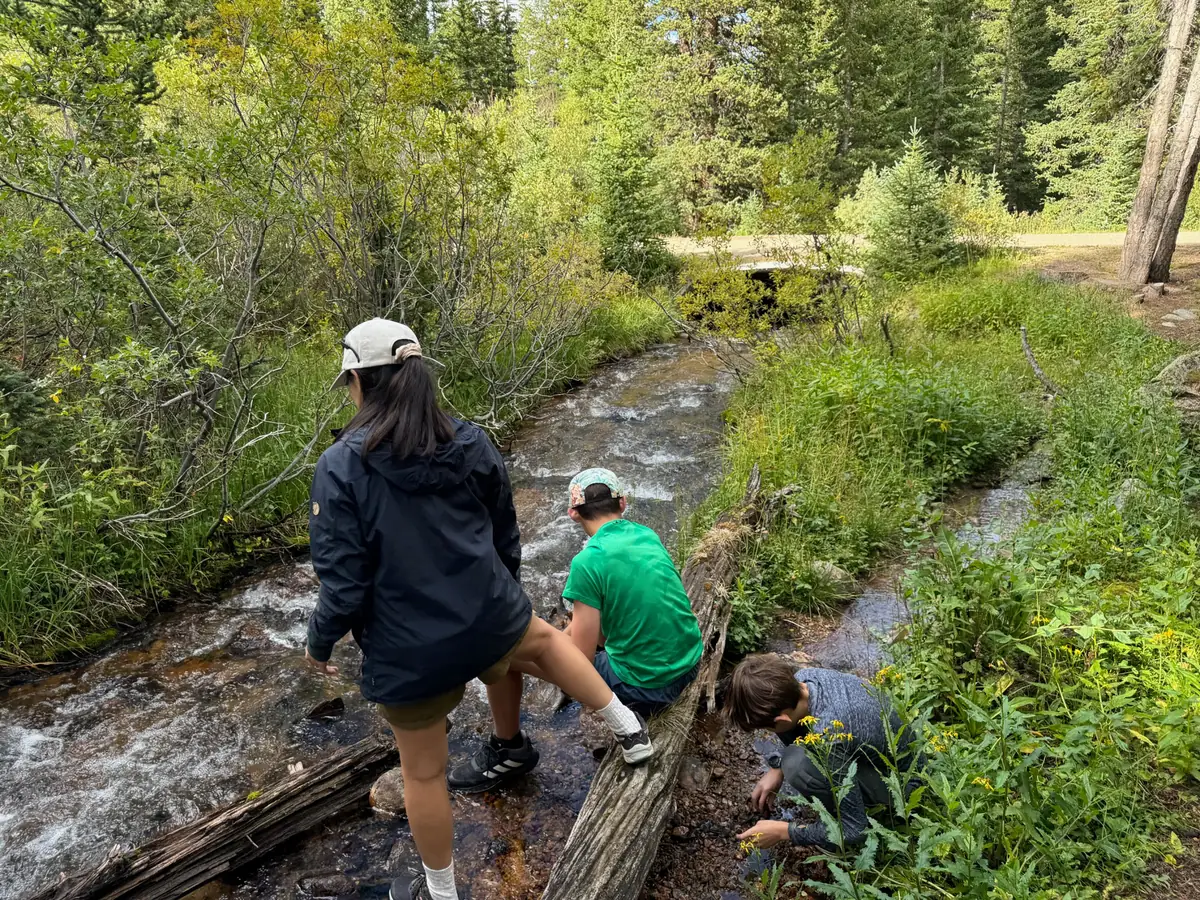
This camping list includes all the details, but for items like kitchen supplies, you can simply bring what you use at home. It’s best to start camping with what you already have. Your packing list will vary depending on the location, season, frequency, and your personal camping style. Trying to get everything all at once can cost more and be exhausting. As you gain more experience, you can gradually add to your camping gear and enjoy camping in your own style.
Got Questions?
If you have any questions or useful items and tips to share, please feel free to leave them in the comments below. For more family camping ideas, follow along on Instagram @tomo.travel.camping. I hope you will have a great camping experience and make more memories!
Explore More Camping and Glamping Guides
How to Plan a Family Tent Camping Trip in US National Parks
Ready to tent camping in national park s with your kids? Get real campground reviews, reservation tips, and a family packing list from a mom who has done it.
Ultimate Guide to KOA Campgrounds: Easy Camping for Families
Discover the charm of KOA campgrounds! Ideal for families and budget travelers, KOA offers convenience, fun for kids, and cozy glamping cabins.