
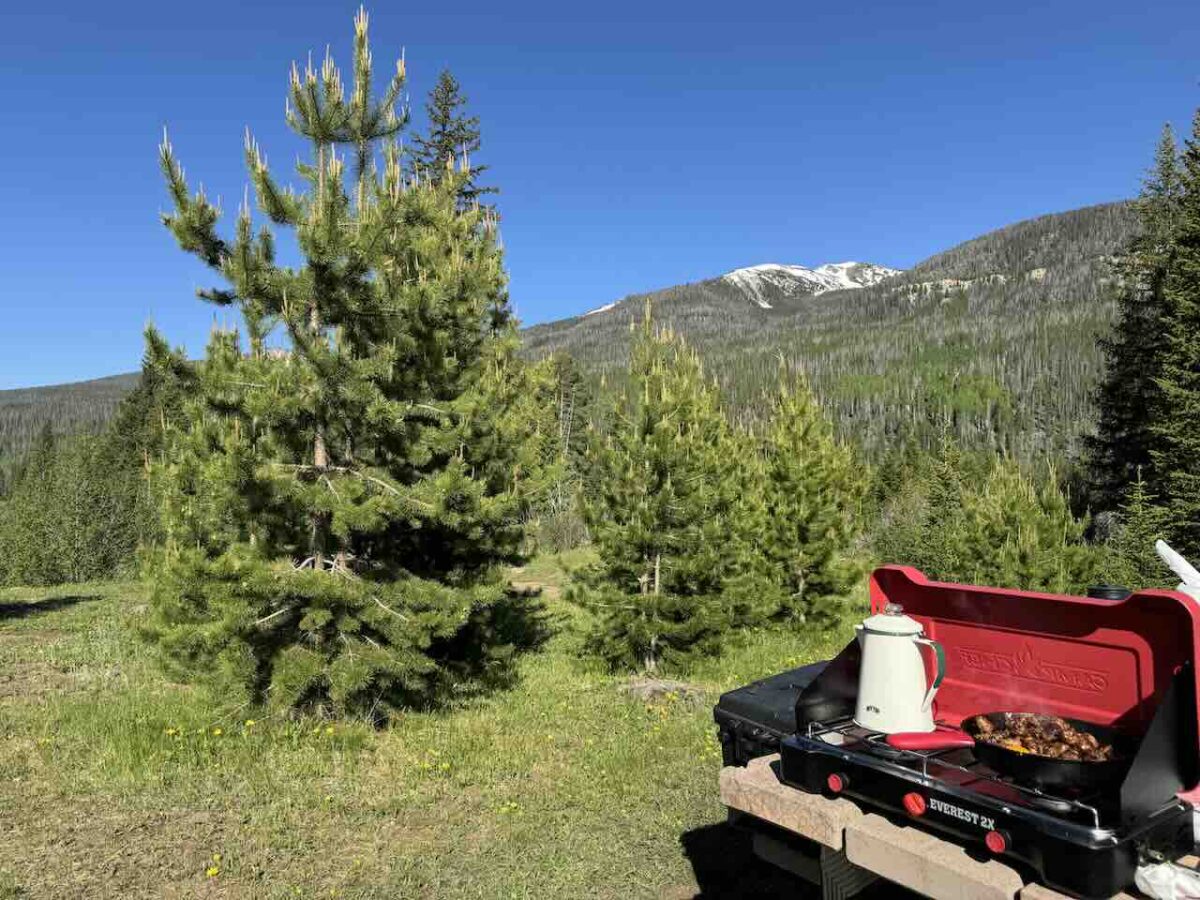
There is something about tent camping in national parks that just feels different from any other kind of trip. No long morning drive, no searching for parking, no rushing to beat the crowds. You step outside your tent, and the park is right there, quiet and beautiful, waiting for you.
We have done it both ways as a family. We have driven in from a hotel, and we have camped inside the park. And honestly? Camping inside wins every time. The early morning wildlife sightings alone are worth it.
But I also know that camping in a national park feels a little intimidating at first, especially when spots book out months in advance, and every park seems to have its own set of rules. So in this guide, I am going to walk you through what to expect, how to actually get a reservation, and what to pack so your family trip feels exciting instead of stressful.
Before You Go Tent Camping in National Parks: Get the America the Beautiful Pass
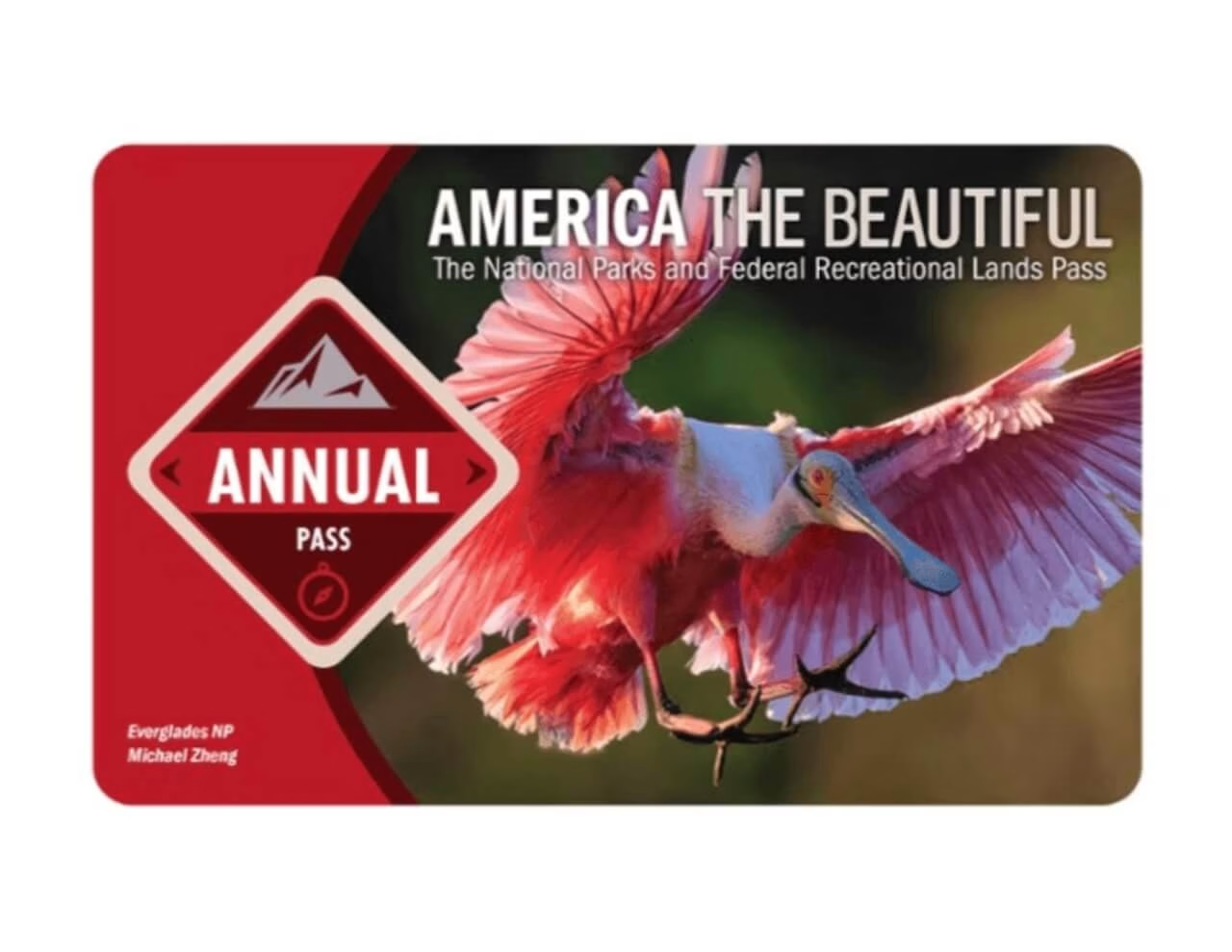
If your family plans to visit more than one national park in a year, the America the Beautiful Annual Pass is worth considering before your trip. It covers entrance fees at national parks and hundreds of other federal recreation sites across the country.
Campground fees are always separate, but if you are hitting more than two or three parks in a season, the pass pays for itself quickly. We like to have ours ready before a road trip, so we don’t have to think about entrance fees at every gate.
Best National Park Campgrounds for Tent Camping with Families
These are campgrounds our family has personally stayed at. I will always tell you what it was actually like from our real experience.

Rocky Mountain National Park: Timber Creek Campground
Timber Creek is the only campground on the west side of Rocky Mountain National Park, and it is honestly one of my favorite places we have camped as a family. The west side feels so much calmer than the busy areas near Estes Park, and the views from this campground are absolutely stunning.
We spotted elk near the campground, and the sites sit close to the Colorado River. It has that classic Colorado mountain camping feel without the chaos of the most crowded part of the park. You can read all the details in my full Rocky Mountain Timber Creek Campground review.
What families should know:
We love these warm sleeping bags for family camping for nights in the mountains when the temperature drops more than you expect.
Death Valley National Park: Furnace Creek Campground
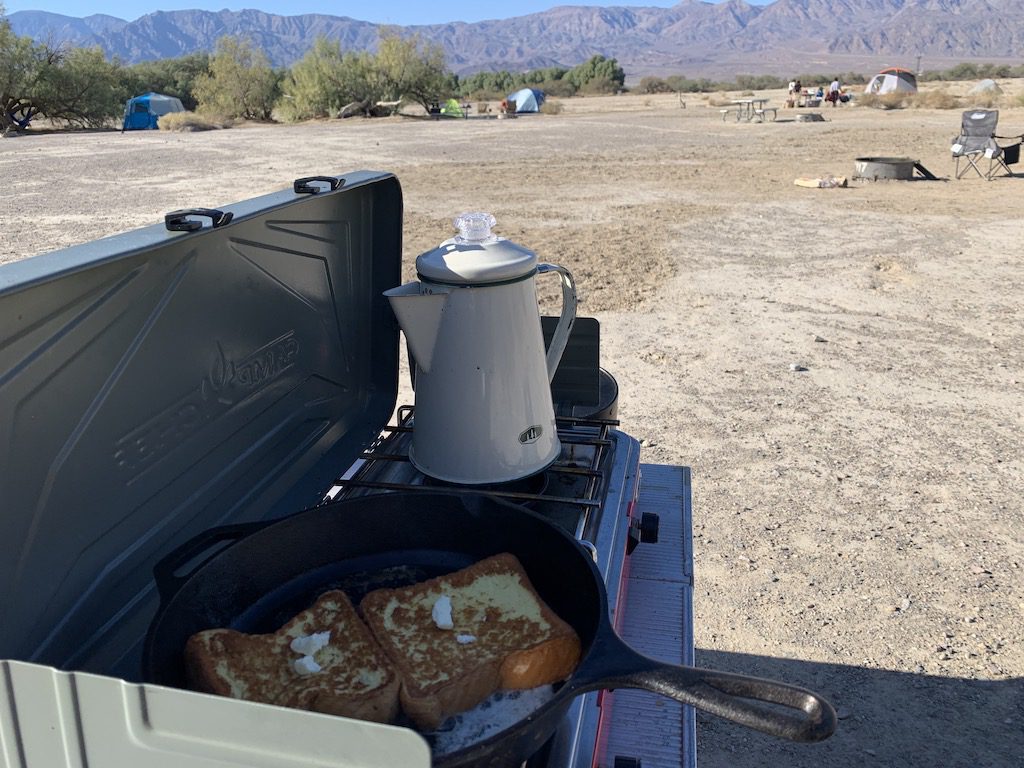
Furnace Creek is the campground I never expected to love as much as I did. Camping in a desert below sea level sounds a little wild, and it kind of is, in the best way possible. We camped here in late November with the boys, and it genuinely felt like nothing else we had ever experienced.
It is the only campground in Death Valley that takes advance reservations, which makes it the smart choice for families who are driving in from far away. The location in the center of the park puts you close to the visitor center, a gas station, and easy access to all the main sights. You can get all the details from my full Furnace Creek Campground guide.
What families should know:
Bring plenty of water, a good hydration pack for the kids, and do not forget sun hats and sunscreen for daytime exploring.
Yellowstone National Park: Grant Village Campground
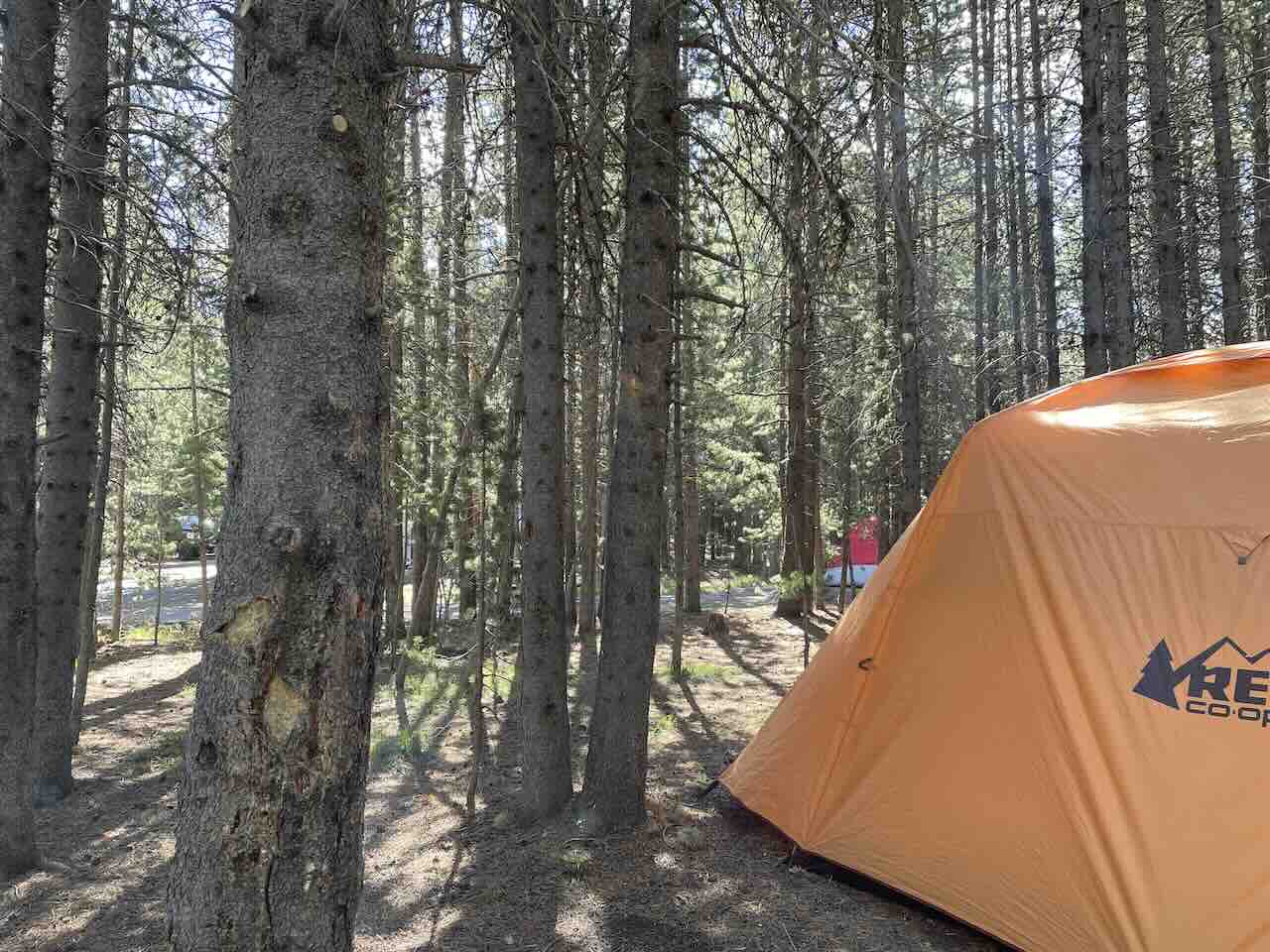
Grant Village Campground sits tucked in the trees on the south side of Yellowstone, and the setting is just beautiful. We camped here in July, and the campground had this peaceful, forested feel that I really loved. It does not feel crowded or chaotic, even though Yellowstone itself gets busy in summer.
One of my favorite things about this campground is how convenient the location is. There is a camp store, a laundry facility, and restaurants near the campground. For a family spending multiple days in the park, that is a bigger deal than it sounds. If your trip includes stops at other parks or campgrounds after Yellowstone, I would take advantage of that laundry facility before you leave Grant Village. In the future, you will be very thankful.
The one thing I was not fully prepared for was how cold it got at night in July. We are talking around 32 degrees after dark. We had a campfire going as a family, and it was honestly one of those perfect camping moments, all of us bundled up around the fire, completely off our phones, just together. But the cold was real! Pack warm layers, warm pajamas, and a sleeping bag rated for cold temperatures, even if you are visiting in the middle of summer.
What families should know:
Grand Canyon National Park: Mather Campground
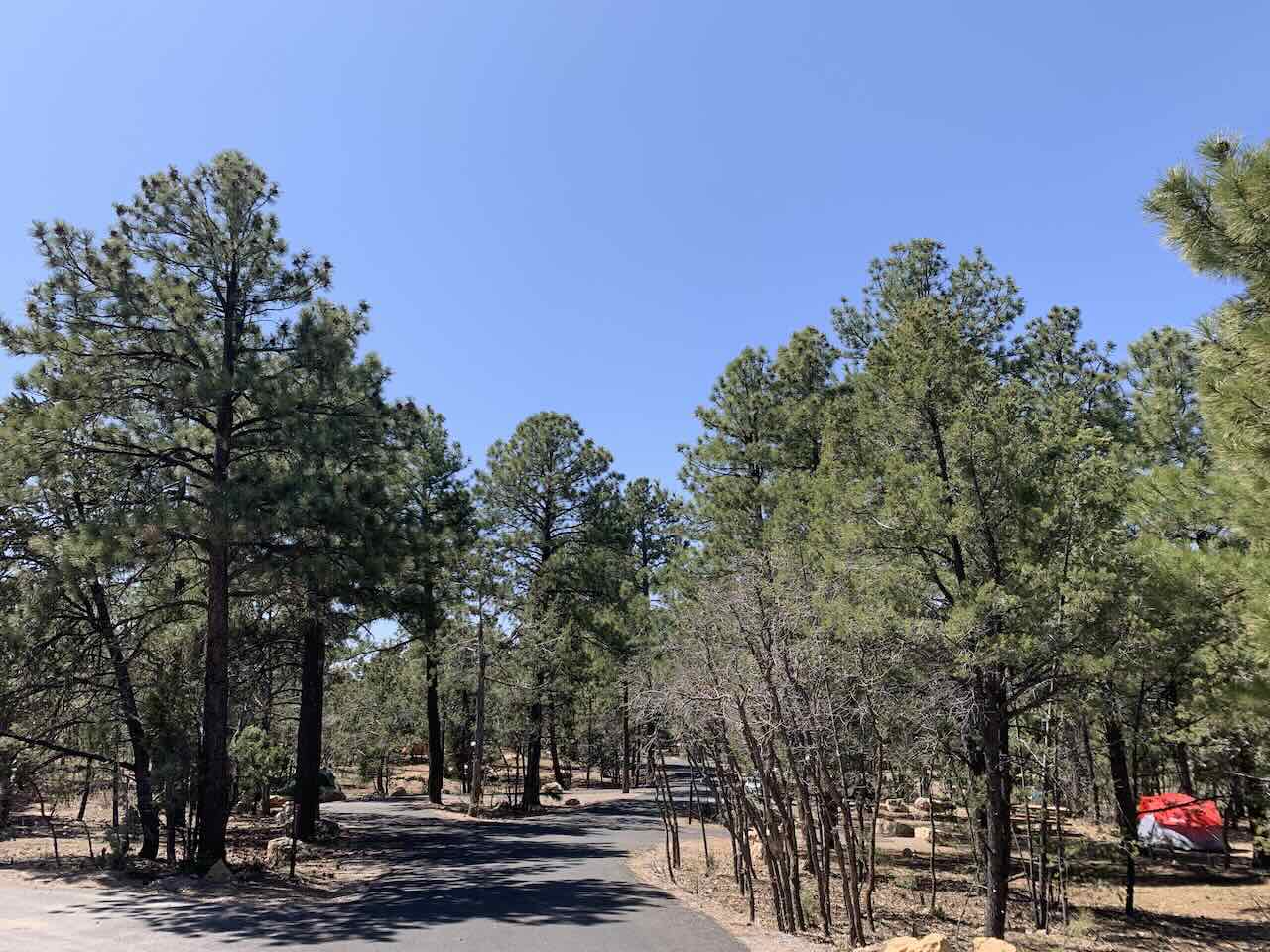
We visited Mather Campground in early April, and it was one of those trips that honestly exceeded every expectation. The campground is only about one mile from the South Rim, and catching sunrise at the Grand Canyon was completely effortless. We drove over while it was still dark and waited for the light to come up. Watching the canyon slowly fill with color while your family is standing right there next to you is something I will never forget.
The campground itself is wonderfully quiet, especially in early spring before the summer crowds arrive. The sites are spacious, and there is a general store close by, which is so helpful for grabbing anything you forgot. What really surprised us, though, was the wildlife right in camp. Elk walked through our campsite in the morning like they owned the place, which the boys thought was absolutely amazing. That is the kind of moment you just cannot plan for.
Being close to the park entrance also made logistics easy, which matters more than people realize when you have a full day of exploring ahead of you.
What families should know:
A good pair of comfortable walking shoes makes those early morning rim walks so much better, especially on uneven terrain.
What to Pack for Tent Camping in National Parks with Kids
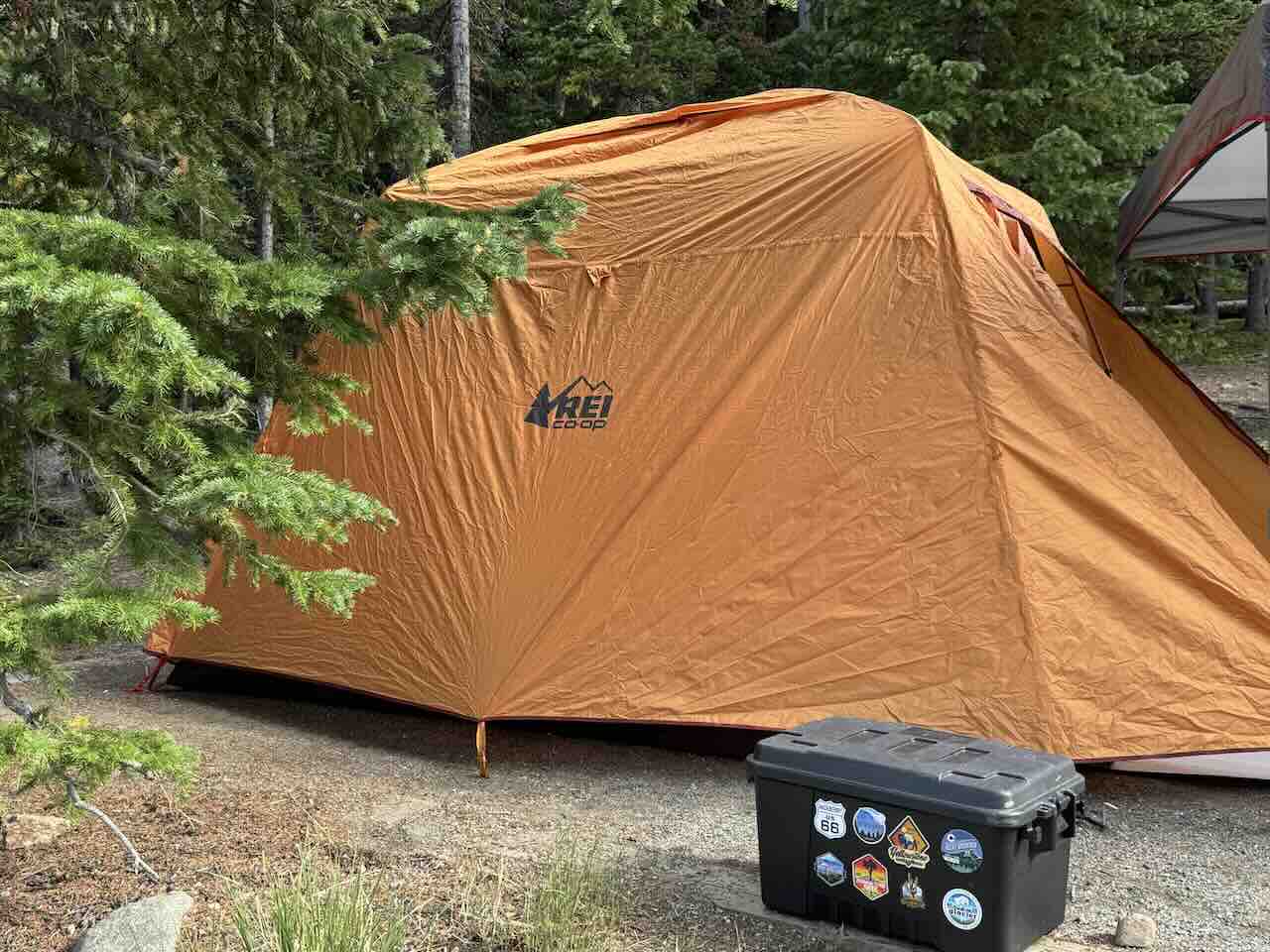
Packing for national park camping does not have to be overwhelming, but it does need to be practical. You want to be comfortable without needing a moving truck to haul everything in.
Tent Camping Essentials Checklist
Shelter and Sleep:
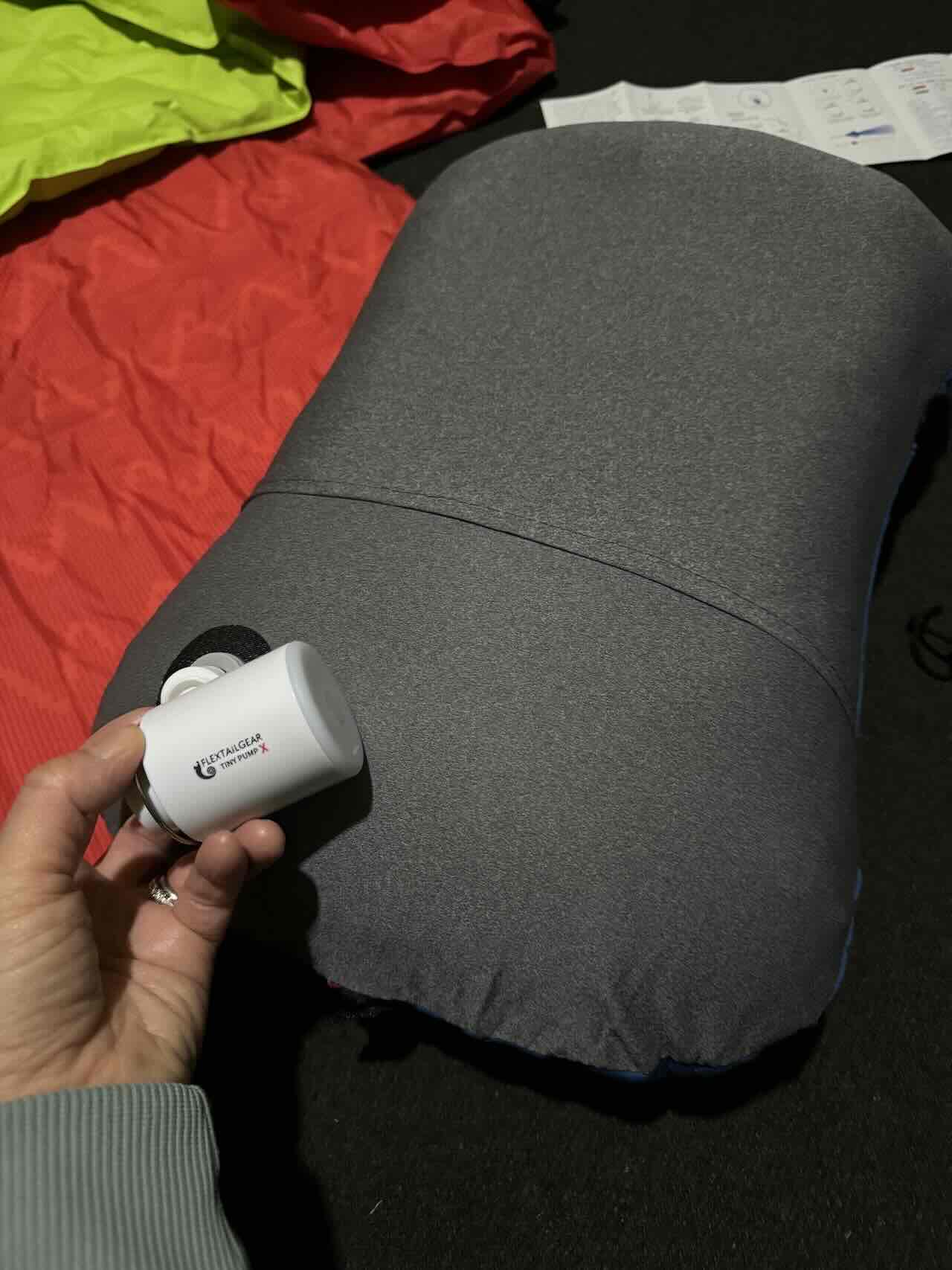
We use this compact electric air pump to inflate our sleeping pads in minutes. It is tiny enough to toss in any bag and saves so much energy after a long day on the trail.
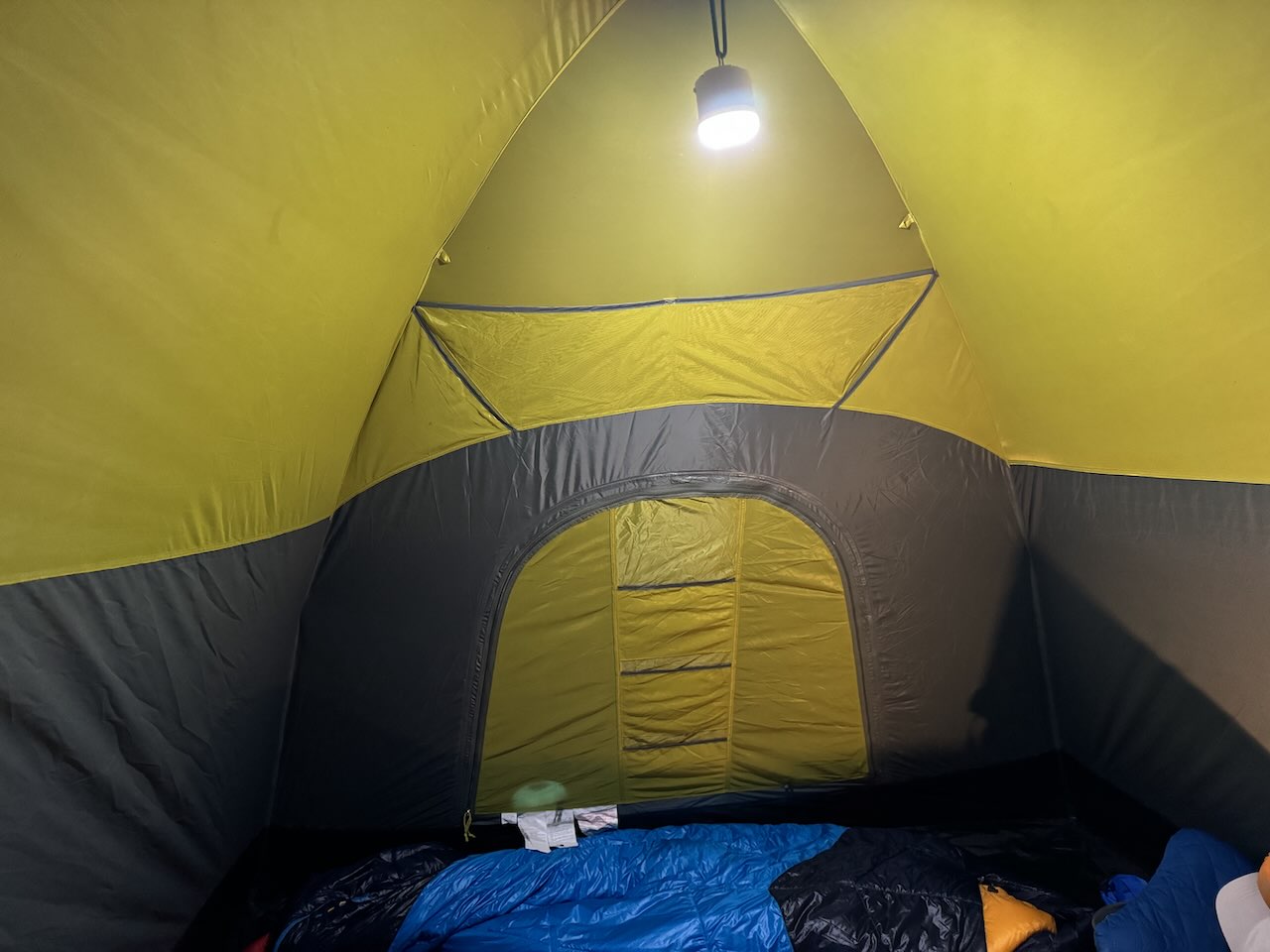
Light and Comfort:
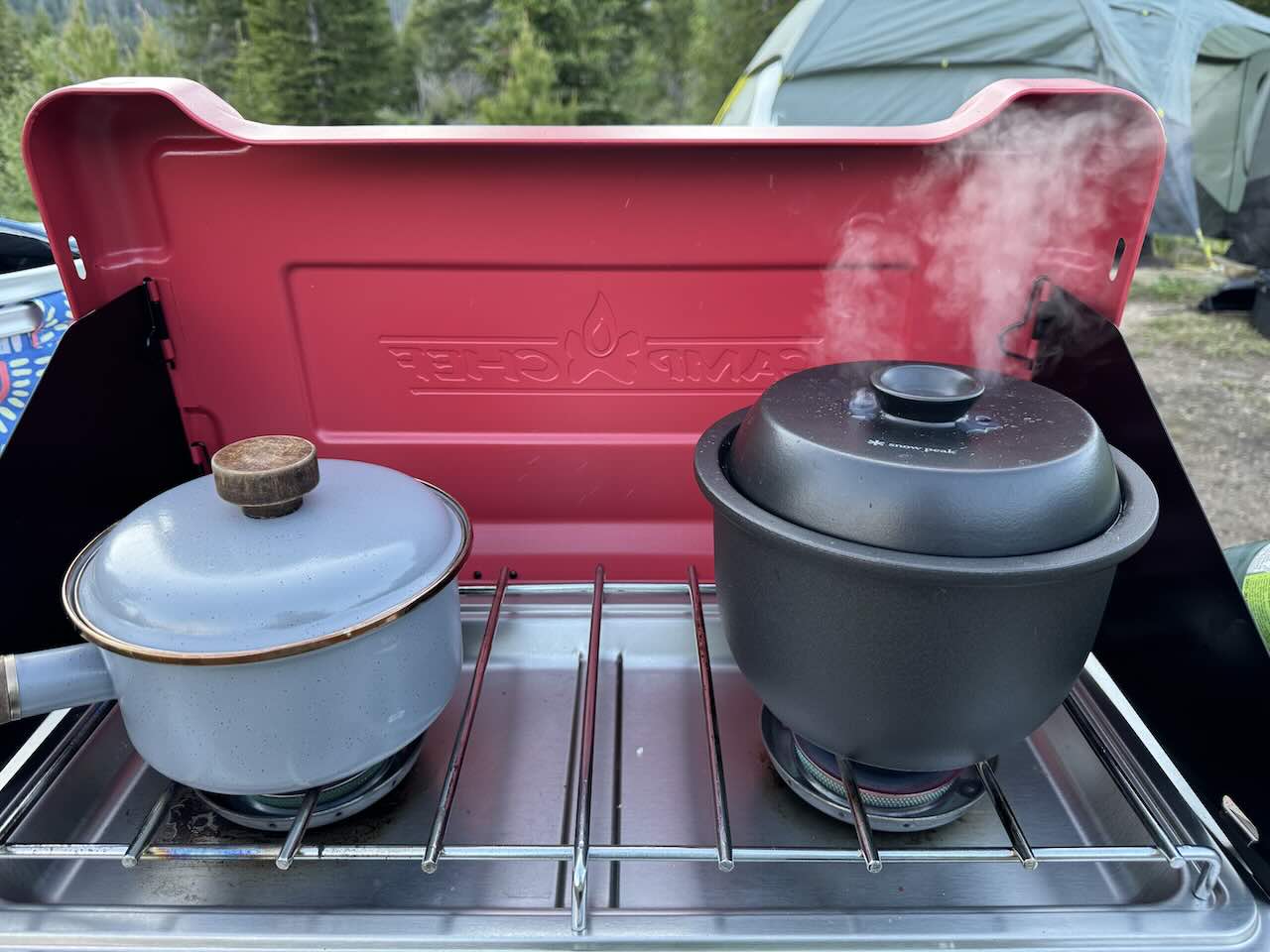
Cooking and Food:
Clothing and Safety:
Our family rule is one duffel bag per person, and everyone packs their own things. My husband has his, I have mine, and both boys have theirs. It keeps the tent organized and teaches the kids to be responsible for their own gear, too. We use these duffel bags for camping, and I cannot imagine going back to sharing one giant bag.
We use these duffel bags for camping to keep everyone’s stuff organized inside the tent.
For a complete packing list, check out my Complete Tent Camping Checklist before your trip.
Safety Tips for Tent Camping in National Parks
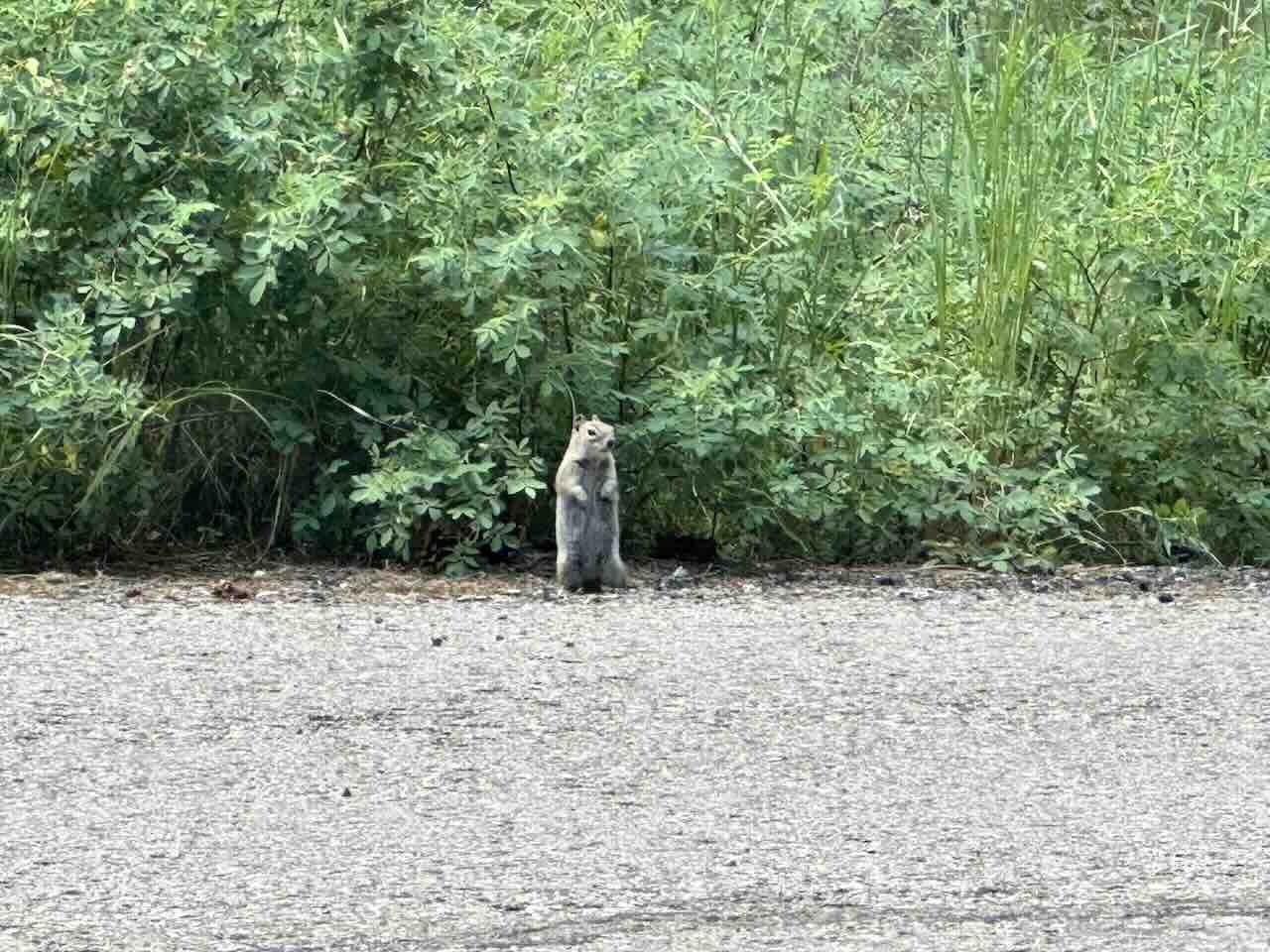
National parks are stunning, but they are wild places. A little preparation goes a long way toward keeping your family safe.
Wildlife Safety
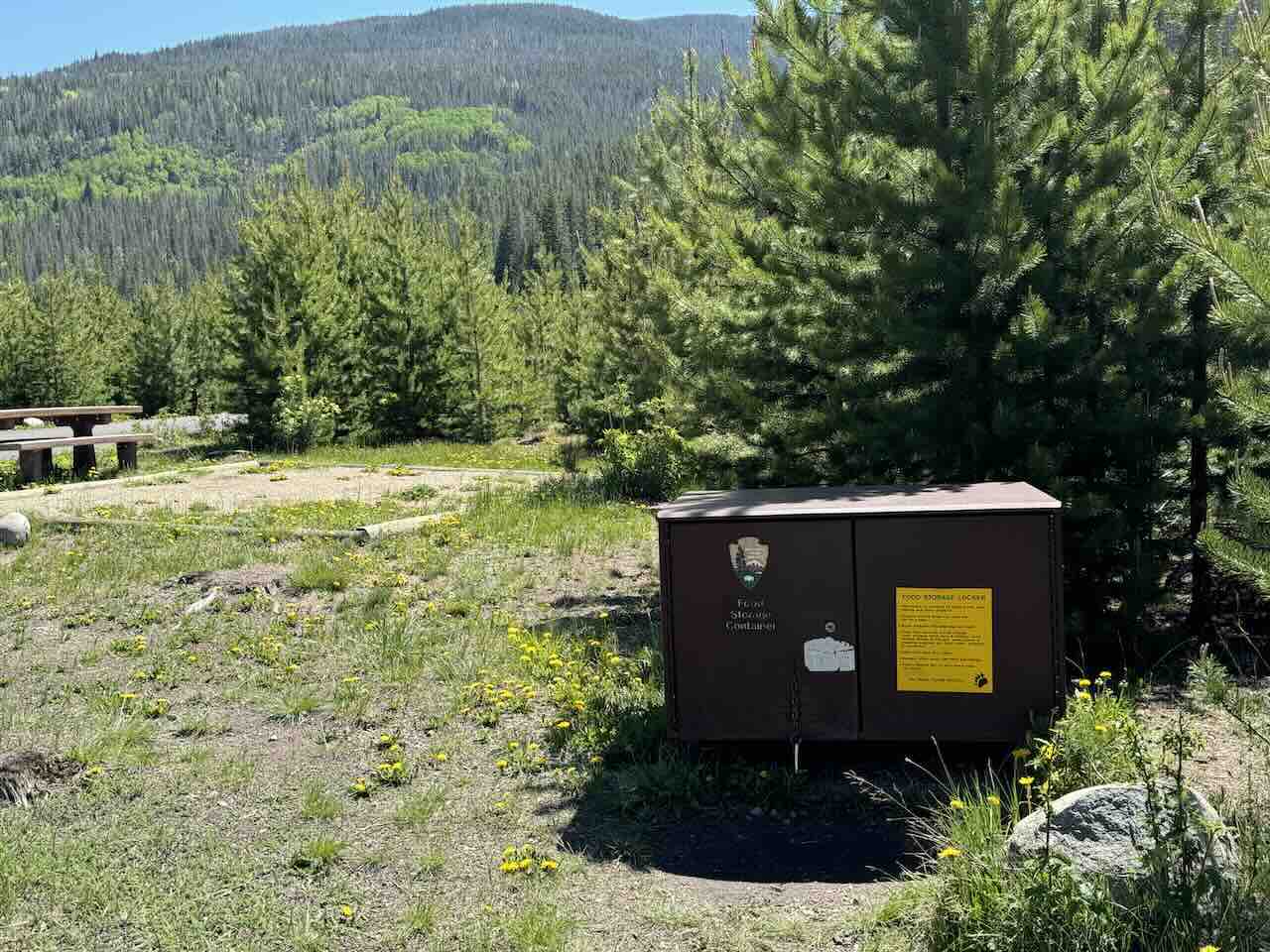
For bear country parks, always follow the park’s food storage rules. Many campgrounds have bear boxes, but rules vary by park. When in doubt, store food in your car overnight.
Weather Safety
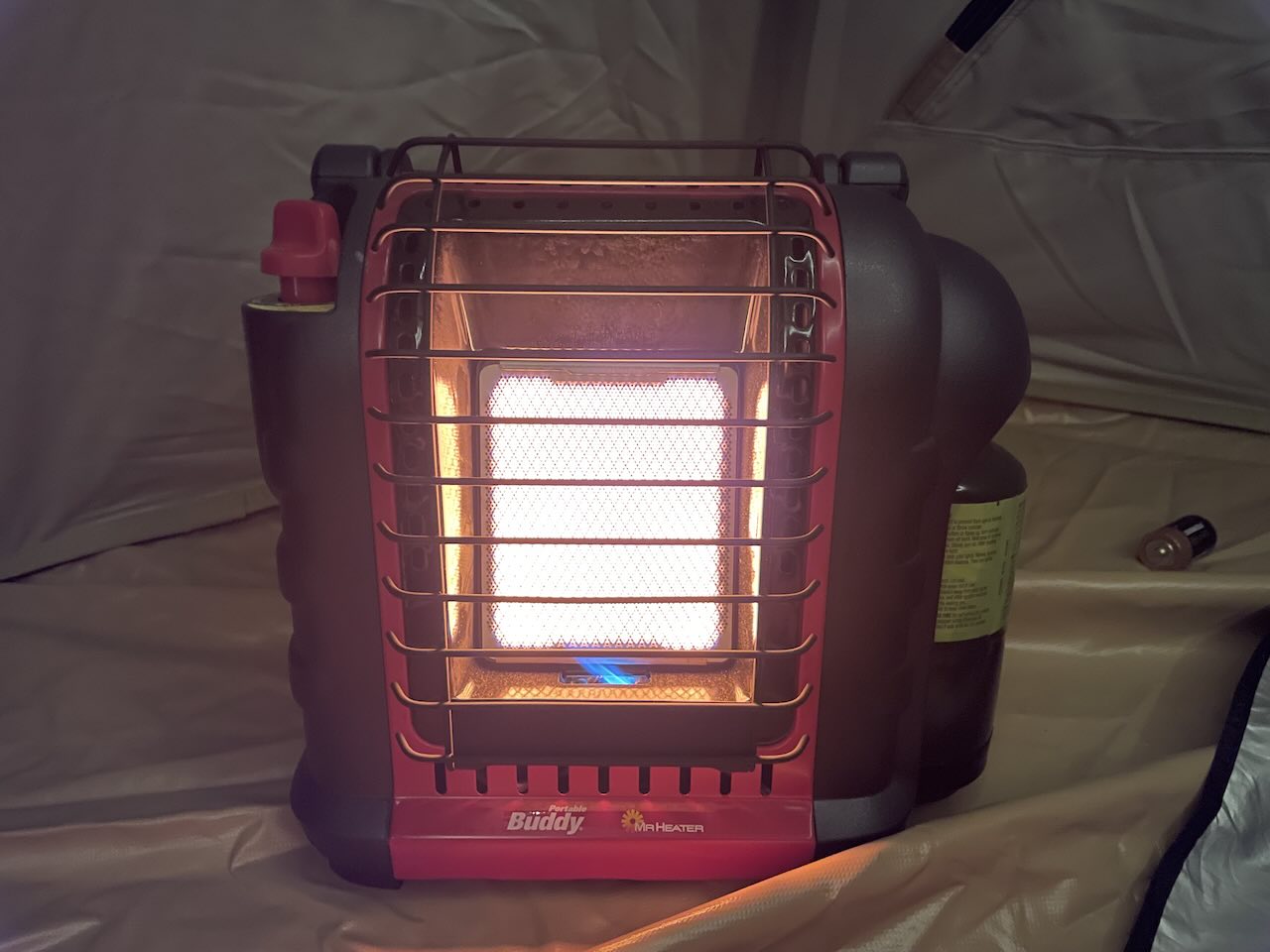
We bring our Mr. Heater Portable Buddy for cold mountain nights, and it has made a huge difference in comfort, especially at higher elevation campgrounds like Timber Creek Campground in Rocky Mountain National Park.
Cell Service and Emergency Planning
Cell service is limited or nonexistent in most national parks. Before your trip:
How Much Time Do You Need?
For most families, two to three nights is a sweet spot for camping inside a national park.
One night goes by fast once you factor in setup and takedown. Two nights give you one full day to actually explore and enjoy the park without rushing. Three nights feels relaxed and is great for larger parks like Yellowstone.
If this is your first family camping trip inside a national park, start with two nights. It is enough time to get comfortable with the rhythm of camping without feeling overwhelmed.
Mistakes to Avoid When Tent Camping in National Parks
Waiting Too Long to Book
Summer weekends fill up fast. If you are planning a July or August trip, start monitoring reservation dates months in advance.
Not Checking Park-Specific Rules
Every park is different. Before your trip, look up:
Packing Only for Daytime Weather
This one gets so many families. National parks can get genuinely cold at night, especially at elevation. Pack warm layers even for summer camping trips.
Plan Smart but Not Too Much
Here is what I have learned about camping schedules: plan too much and you are exhausted, plan nothing and you are eating cold food in the dark while everyone is freezing. The sweet spot is keeping things loose but having a rough meal time in mind each day. Cooking outside takes longer than you think, and temperatures in national parks can shift quickly in the evening. Give yourself enough daylight to cook comfortably, and everything else will fall into place.
How to Reserve a Tent Camping Site at a National Park
Most popular national park campgrounds book through Recreation.gov, and for busy parks in the summer, you need to be ready before spots open up.
Step-by-step reservation tips:
1. Create your Recreation.gov account before reservations open, so you are not scrambling at the last minute.
2. Look up the exact open date for your specific campground, since it varies by park.
3. Study the campground map before you book, not after. Look for sites near restrooms but not too close, shaded spots, and good site size for your setup.
4. Be flexible with your dates if you can, since weekdays are easier to book than weekends.
5. Check back regularly for cancellations since spots open up more than people expect, especially 2 to 4 weeks out.
For Rocky Mountain National Park specifically, our family actually booked Timber Creek just one week before our trip because we kept checking. It happens!
Campground Reservation Links
Is National Park Camping Worth It for Families?
Yes, completely. Camping inside a national park gives your family something a hotel stay just cannot replicate. You get the early morning light, the quiet before the crowds arrive, the wildlife that shows up at dawn, and the feeling of actually being immersed in the place you came to see.
It takes a little planning, especially for reservations and packing, but once you are set up and sitting outside your tent with coffee while your kids watch elk wander past? You will wonder why you waited so long.
Start simple. Book two nights, keep meals easy, and pack warm layers. The rest of it you will figure out as you go. And if you want help planning your campfire dinners, check out my Easy Camping Meals for Families guide for simple recipes the whole family will actually eat.
Have you camped inside a national park with your family? I would love to hear which campground you chose and what your experience was like!
Read Next: Family Camping and Glamping Planning Guides
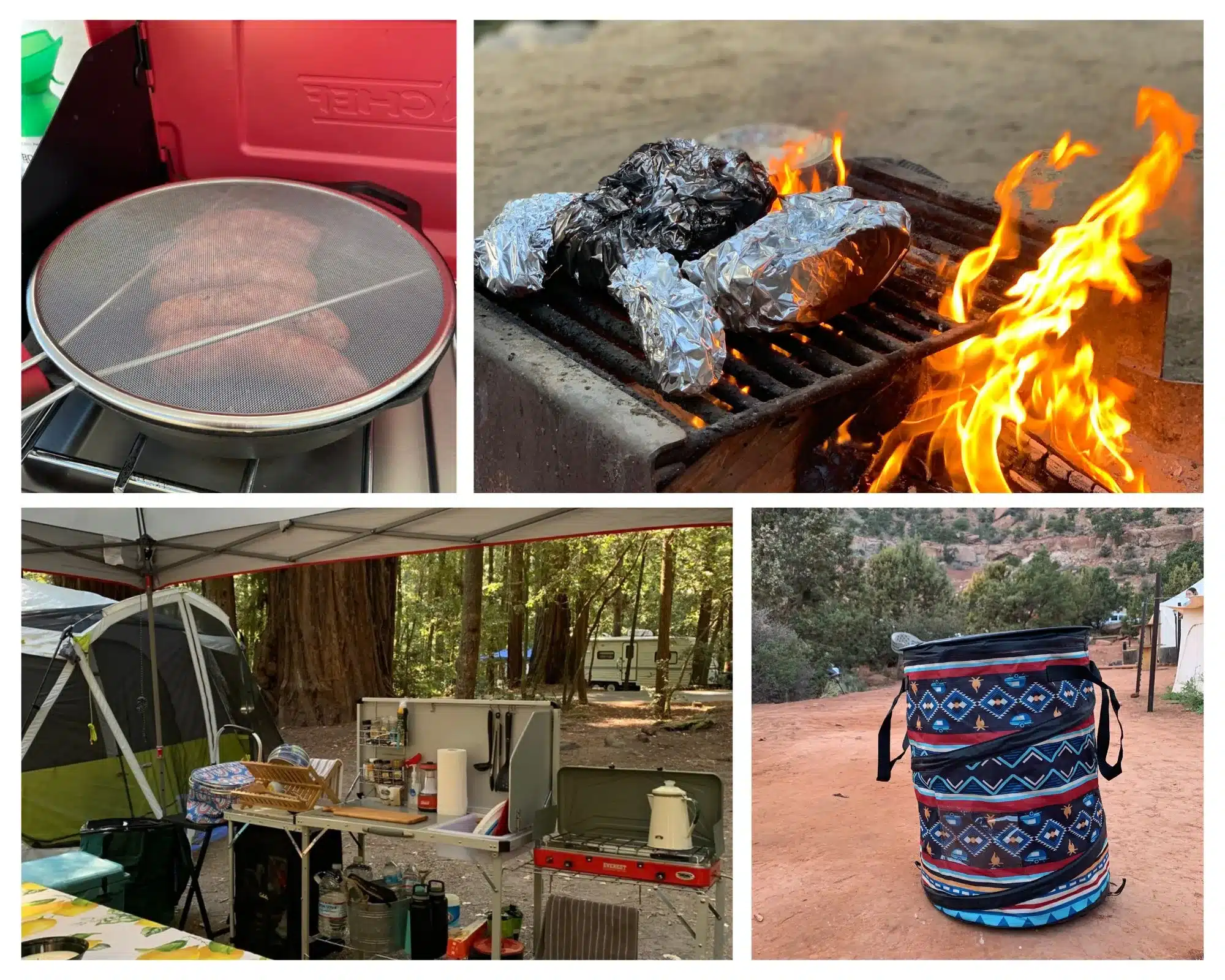
What to Bring for Tent Camping: Your Complete Checklist
Embarking on a tent camping adventure? Preparation is key! This post provides a comprehensive packing list for a comfortable and enjoyable experience. Happy camping!
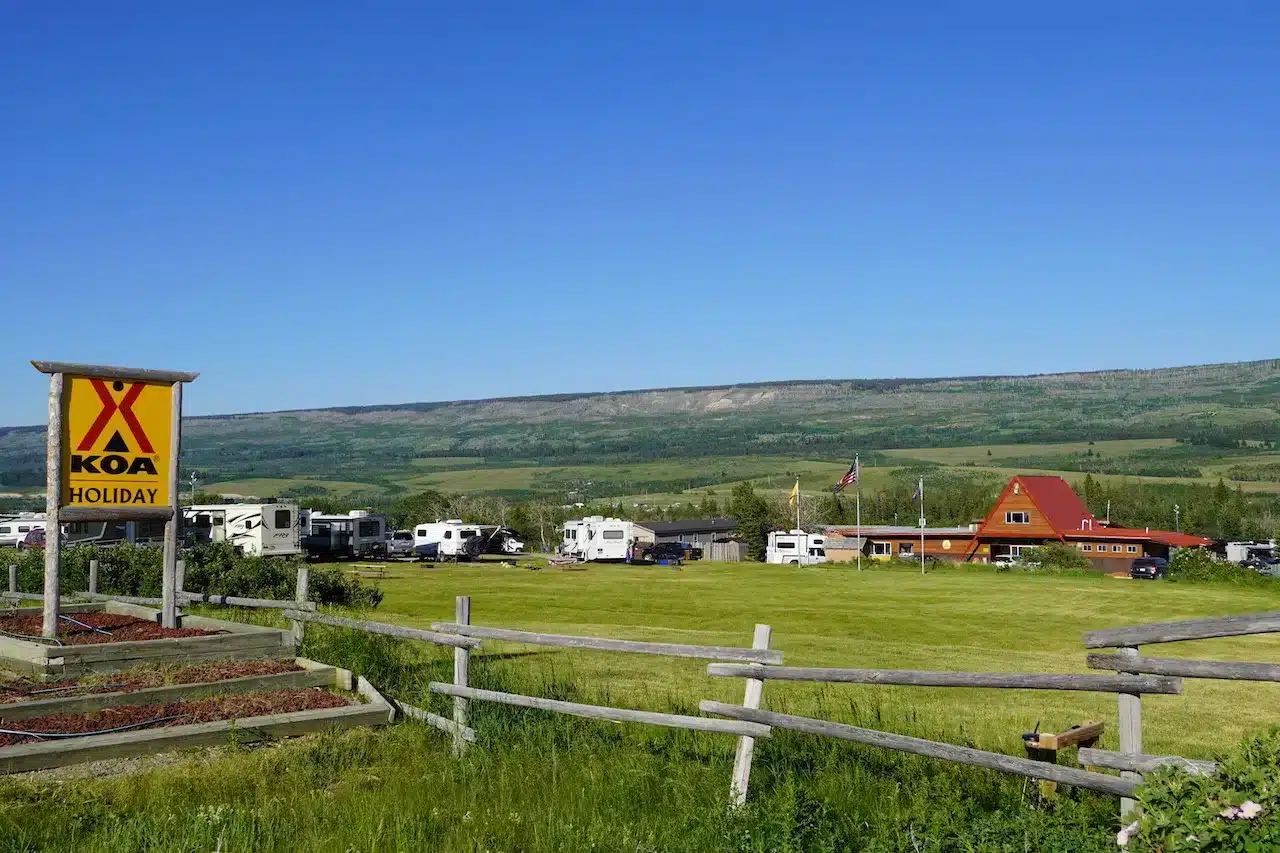
Ultimate Guide to KOA Campgrounds: Easy Camping for Families
Discover the charm of KOA campgrounds! Ideal for families and budget travelers, KOA offers convenience, fun for kids, and cozy glamping cabins.